
Matt at the Music: Pop-Punk's Not Dead
In part one of this two part series we examine what constitutes pop-punk music inspired by the recent New Found Glory and Yellowcard show at Skyla Credit Union Amphitheatre.


Quick note to movie readers: I’ll be back with more reviews and movie news soon!
Pop Punk’s Not Dead
It’s deep in the dog days of August way back in 2001 as we make our way into the now-defunct Northern Lights nightclub outside Albany, NY. For my brother, high school teammates, and me, it was our first small-venue “club” show with zero expectations. We rushed for the center barriers, then camped out for three sets, being squeezed by the crush of the mosh pit, pummeled by the constant crowd surfers, and so dehydrated from the heat, as sweat dripped off the low-hanging trusses of the roof, wondering if we would make it to the headliner.
Then one of the greatest live bands of all time, the pop-punk legends New Found Glory (NFG) from Coral Springs, Florida, hit the stage like a fucking cannon, ripping through every track off their breakthrough self-titled album. The crowd jumped for an hour straight, and lead guitarist Chad Gilbert’s metal riffs meshed with the nasal-pitched singing of Jordan Pundik as he stood directly over us on the barrier step-up. We held him up for several songs as he shoved the mic in our faces in what became the best introduction to this energetic genre of music that became a mainstay in middle schools, high schools, and colleges for almost a decade.
Twenty-five years later, I’m standing in the pit of the Skyla Credit Union Amphitheatre in Charlotte’s Music Factory to watch the stalwarts of this scene, who never once stopped touring, bring their high-energy set to the Queen City as flashbacks of memories flood my brain from the 30-plus shows I’ve seen from them over the past quarter century. Thousands of Millennials showed up, many with their kids in tow, to relive the nostalgia that bands like New Found Glory and headliners Yellowcard brought to them during the most important periods of their lives. Since the end of COVID, one thing has been clear: pop-punk isn’t dead.
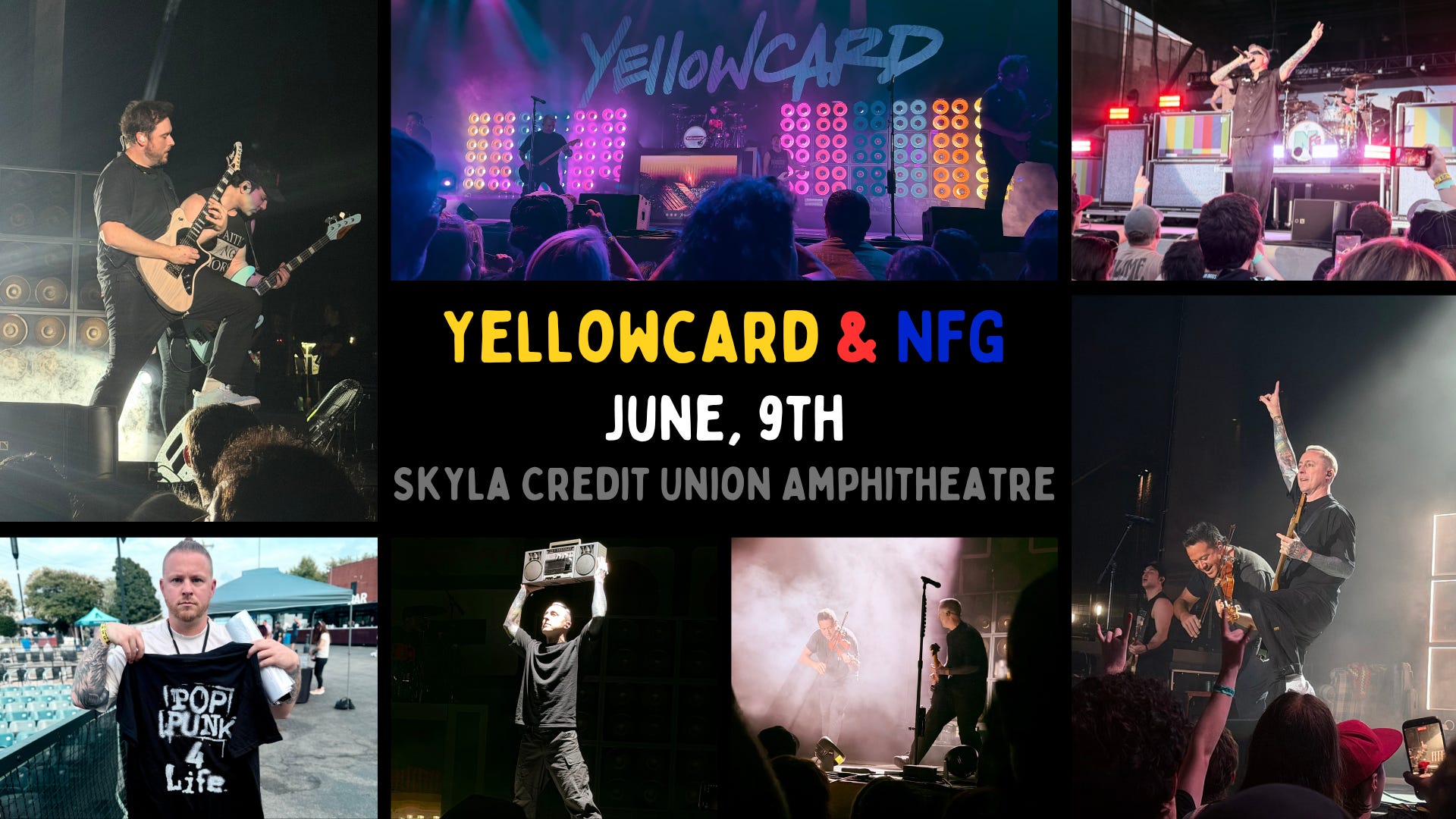
Both NFG and Yellowcard had the crowd on their feet all night with radio hits, familiar choruses, and a happy energy I’ve still yet to find outside of the genre. People were just smiling as they sang, bobbed their heads, jumped around, or moshed in the pit. Each band talked extensively about the gratitude they had for their late resurgences while giving 100% on stage.
Yellowcard didn’t just have their first No. 1 modern rock song since 2003’s “Ocean Avenue”, but two this year with “Better Days” and “Bedroom Posters.” Their set was designed like a family game room from the 1980s, with nostalgic movies playing in the background. Characters from films like Ghostbusters and Say Anything made appearances to bring you back to a simpler time. I’ve seen both of these bands probably fifty times combined in my life, and for the three hours we had together, it made me appreciate that they are still able to share their positivity when we need it most.
What the F*ck Is “Pop-Punk”?
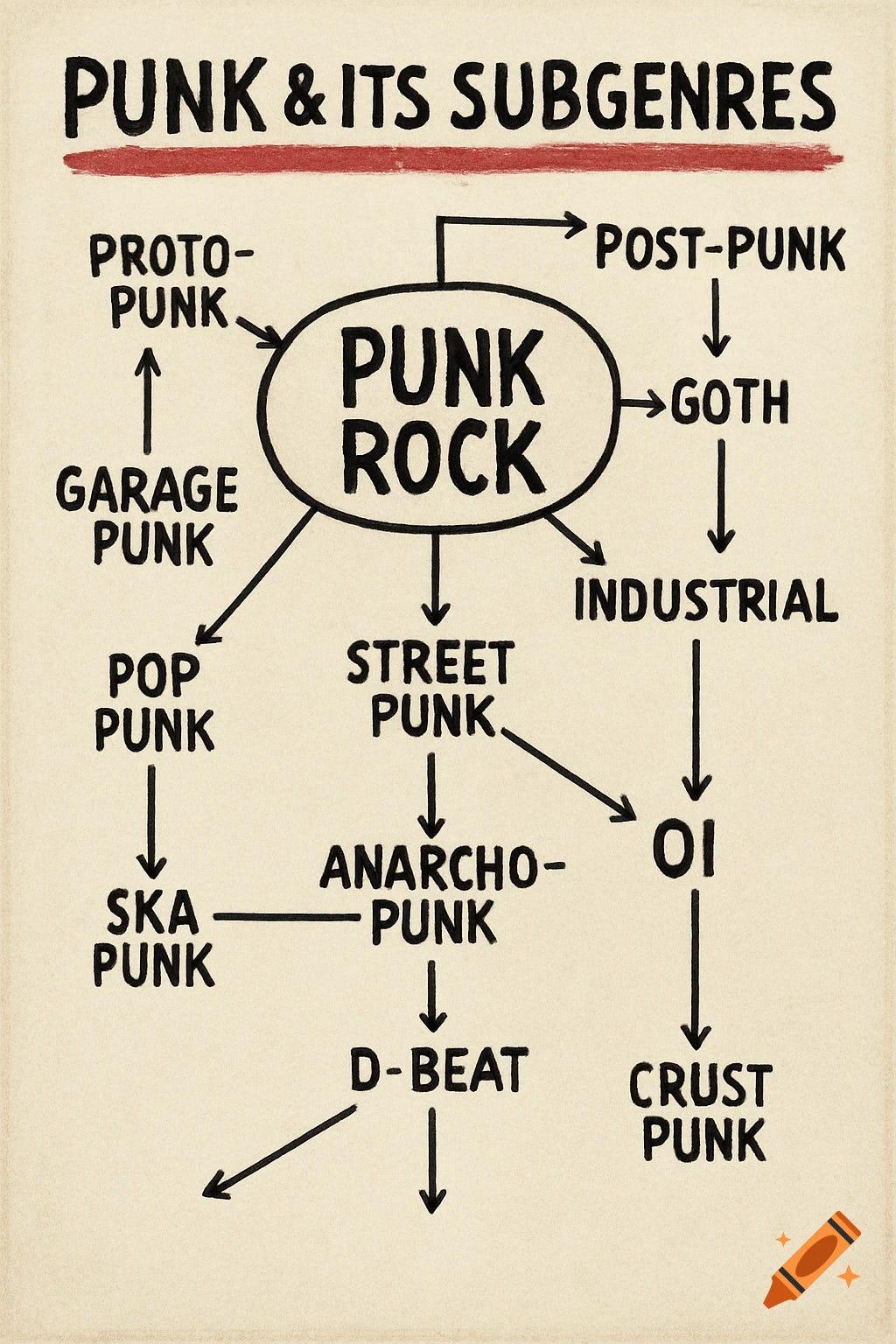
The beginnings of the genre had their epicenter in late-’80s San Francisco with bands like Green Day, Operation Ivy, and Rancid, then moved down the coastline to Southern California. Blink-182, The Offspring, and dozens of other bands on labels like Epitaph and Fat Wreck Chords burst onto the scene in the early ‘90s. Eventually, the scene moved to Chicago, Gainesville, New Jersey, and Long Island, creating many songs you are familiar with from sing-along emo nights in local bars today.
This is where things get tricky because it’s not as fast-driving or aggressive as punk, doesn’t feature the hardcore influence of skate punk, and isn’t as anti-establishment as punk rock. However, it does feature elements from all three. The power chords, guitar distortion, “d-beat” drums, and catchy hooks make the sound much more radio-friendly—or popular. Don’t even get me started on where emo mixes into all of this.
Instead of lyrics being overly political or anti-authoritarian, pop-punk tends to focus on teenage life: living in the suburbs, broken hearts, boredom, and the general angst of growing up in the late ‘90s and early ‘00s. The one thing that does really stand out from other subsets of the genre, besides commercialism, is the optimism that pop-punk holds. During a time when TRL (Total Request Live) on MTV catered to boy bands, female pop idols, and nu-metal aggression, there was a vacuum for teens who just wanted a silly, high-energy release about topics focused on the emotions of their everyday lives.
The high-energy shows were not a place to necessarily destroy others in a mosh pit (though that was always a possibility), but provided a space to literally jump around for hours, smile with your friends, and scream out lyrics that you felt defined “you” as a person during this critical part of your adolescence. The club scene was buzzing with hundreds of acts where a band could be fourth on the bill and, a year later, headline its own sold-out tour.
Festivals like Vans Warped Tour brought bands from all walks of life to your front door. Drive-Thru Records, Fueled by Ramen, Hopeless Records, and Pure Noise Records pumped out hundreds of albums, while magazines like Alternative Press, as well as constant radio and MTV exposure, pushed bands to their greatest heights.
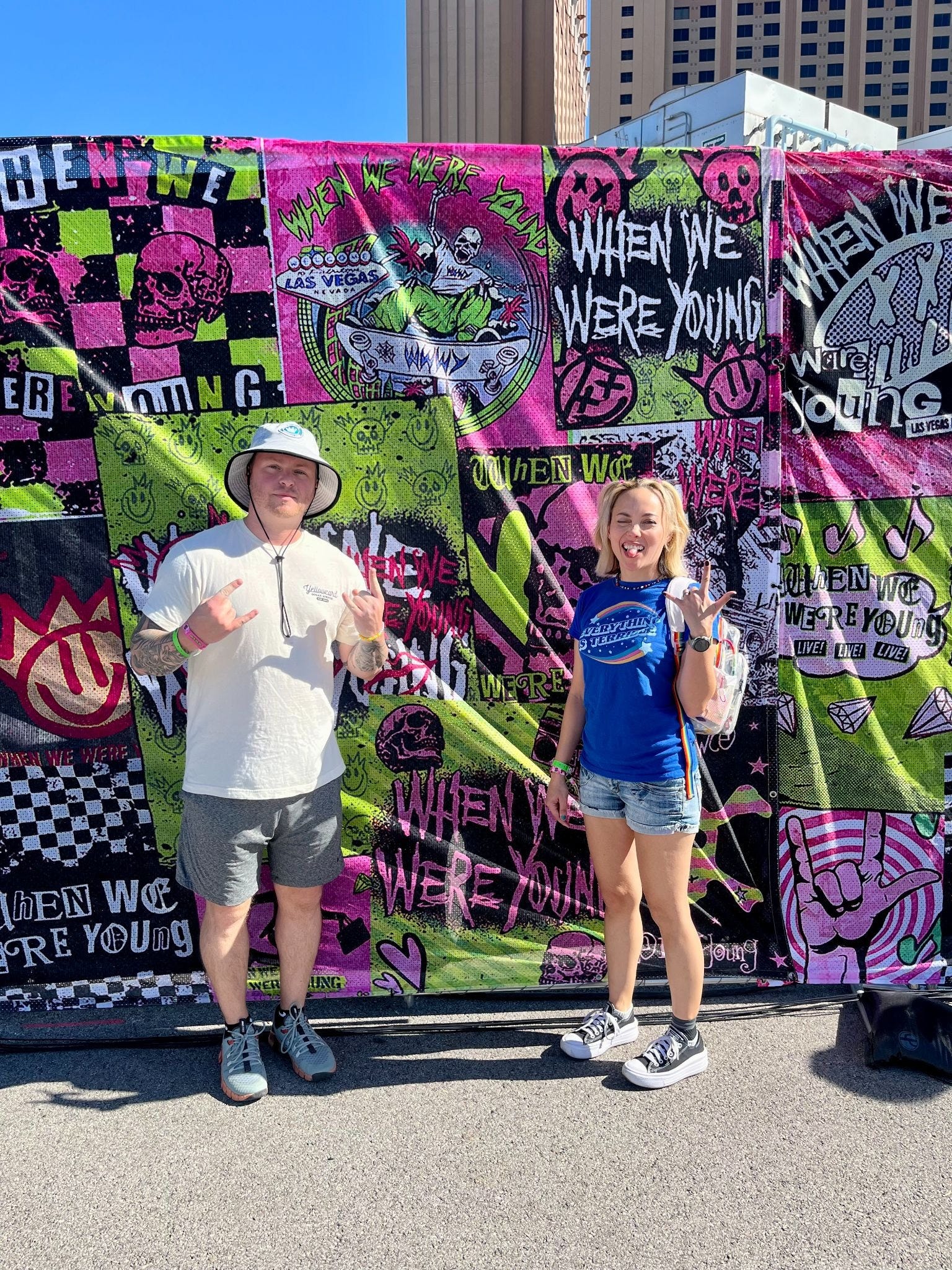
The “Golden Era” of pop-punk from 1999–2005 was the sweet spot for a teen to fully embrace this subgenre of music. As things evolved in the scene, styles eventually changed. Youth culture at large had its fill and moved on to other pop, hip-hop, and rock acts. Something interesting happened in 2022 after the return of normal living following COVID. The heavily elder-Millennial population, now with good-paying jobs and a desire for nostalgia from the daily beatdown of life, overwhelmingly called out to bring the genre back, where dozens of bands were essentially brought out of retirement to often perform at larger venues than during their heydays.
In part two we’ll reveal our Mount Rushmore of pop-punk as well as the top 10 pop-punk albums of all-time. For my movie readers I’ll be back on reviews soon. If you have time check out the best kung-fu of the past decade with The Furious. Until then enjoy the playlist below of some classic pop-punk hits! Thanks and I’ll see you later this with with Matt at the Music.
 | A guest post by
|